

No Cure For Asbestosis
There is no cure for asbestosis, however treatments can help manage symptoms and slow the progression of the disease. Smoking can increase the risk for asbestosis.
Construction workers, shipyard employees and military veterans who have worked with asbestos-containing building materials are among the people most likely to develop this deadly lung disease. The first sign is persistent coughing and difficulty breathing. Advanced cases can lead to the development of pulmonary hypertension as well as the clubbing of the fingers.
Signs and symptoms
When workers work with asbestos-containing substances, microscopic fibres can be released into the air and inhaled. The fibres eventually cause irritation to lung tissue, causing it to stiffen and make breathing difficult. This condition is referred to as asbestosis or pulmonary fibrosis, one of more than 200 kinds of interstitial lung diseases.
Anyone who is exposed to asbestos for an extended period of time are more likely to develop this lung condition. The symptoms can manifest for decades after exposure and vary in severity from mild to severe. Some of the more common symptoms are an ongoing cough and chest pain. In some cases, the lungs can develop a build-up of fluid within the pleural space, which creates a whistling sound that is known as inspiratory crackles when the person breathes.
People with asbestosis are also at higher risk of mesothelioma, which is a cancer that affects chest cavity's lining and abdomen. It can be difficult to differentiate the symptoms of both diseases, which typically share similar symptoms, including scarring and thickening of the lung shortness of breath, cough and a lump in the chest.
Consult your physician if you have breathing issues. This will prevent the illness from worsening and will help your doctor diagnose the condition. To determine if you have a diagnosis your doctor will go over your medical history and your working history as along with lung function tests. X-rays and CT scans are used to determine the severity of lung damage.
If the X-rays show that there is an abnormality or tumor in your lungs the doctor will most likely order the procedure of a biopsy. This involves inserting a needle in the lungs to remove a sample of the tissue. It can be an unpleasant procedure, but is necessary to rule out lung lesions caused by other illnesses like mesothelioma and other lung cancers. Danbury asbestos lawyer with asbestosis should also receive the pneumococcus and pneumonia vaccines. This will help to prevent lung infections in weak lungs.
Diagnosis
Asbestosis is a traumatic condition that can be caused by breathing asbestos. The symptoms usually show up 20-30 years after exposure, but they may take longer. The substance is made up of microscopic fibers that are introduced into the lungs when you breathe into. These fibres adhere to the lungs and stiffen them. The lungs eventually get weaker and you'll be unable to breathe. Before it was banned, asbestos was widely used in the building and manufacturing industries.
A doctor can determine the problem by looking over your medical history and performing an examination. During the examination, your doctor will use the stethoscope in order to examine your lungs as you breathe. If they hear crackling sounds, they will suspect that you have asbestosis.
Doctors are also able to perform high-resolution computed Tomography (HRCT), which allows them to check the lung. These scans may reveal evidence of lung damage, such as scarring and narrow down the diagnosis. They may also ask about your working history to determine if you were exposed to asbestos.
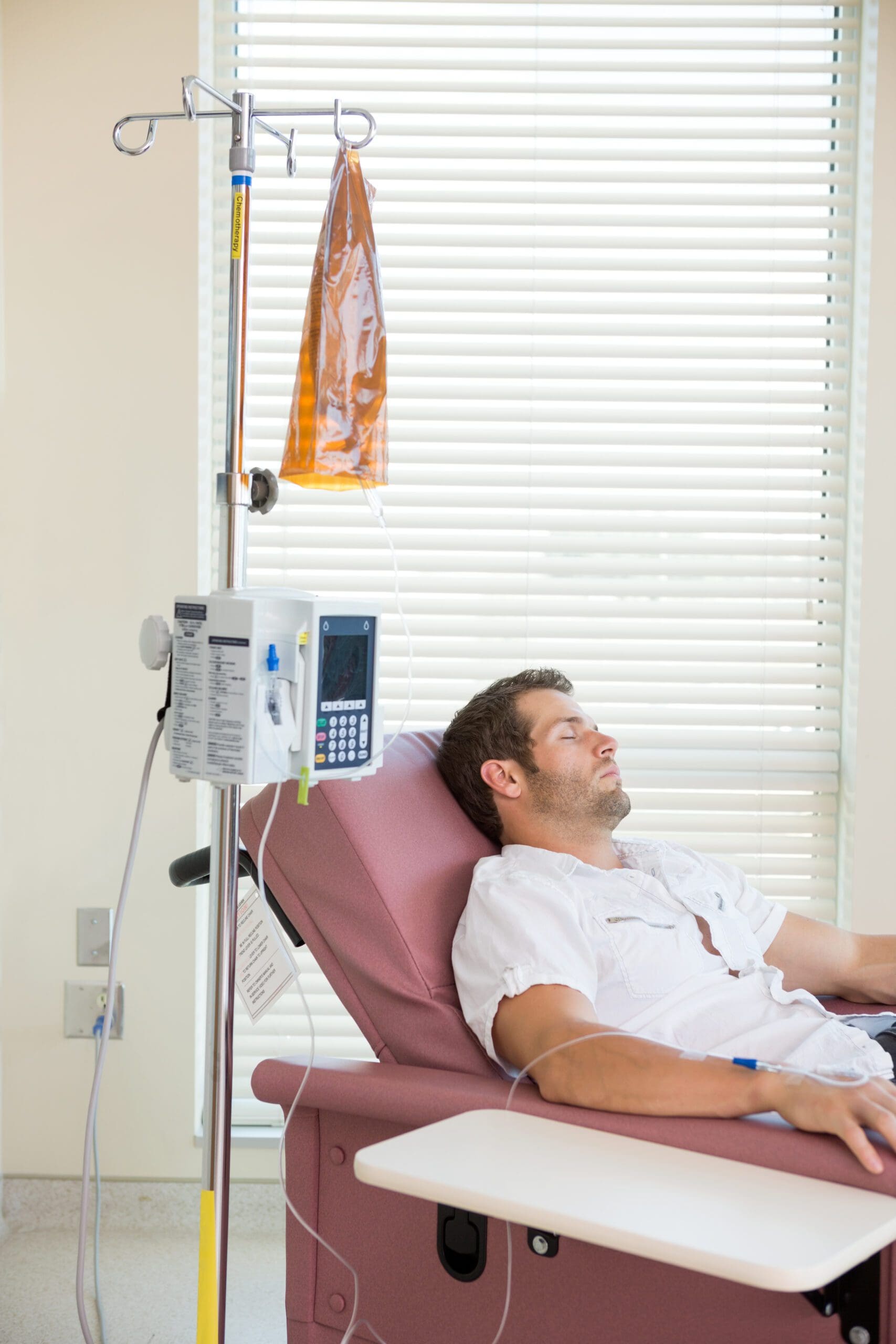
If your doctor suspects that you have asbestosis, they will request chest X-rays and lung function tests to determine the quality of your breath. These tests will help them determine if there are other conditions that could cause breathing issues, such as emphysema and Idiopathic pulmonary fibrosis.
X-rays and PFTs will also detect any abnormalities in the structure of your lung. The lungs have main airways known as bronchi, which branch off into smaller passageways and tiny sacs referred to as alveoli. The lungs are an essential organ for absorbing oxygen and they can only function in the absence of scar tissue.
If you are diagnosed with asbestosis, your healthcare provider will suggest treatments to alleviate your symptoms and enhance your quality of life. This may include oxygen therapy that is supplemental. It is delivered via thin tubing that has prongs that fit into your nostrils or a mask. Your healthcare provider may suggest that you participate in a pulmonary rehabilitation program. This will help you learn breathing exercises and also how to change your daily habits.
In more serious instances, doctors can take a small amount of lung tissue to check for the presence of asbestos. However, a biopsy requires an incision and is generally not recommended.
Treatment
Asbestos fibres inhalation can cause scarring in the lungs, which makes breathing difficult and restricts movement. Asbestos is a natural mineral that can be found in many buildings and factories. It can take years before symptoms begin to manifest. This is why people working in industries like shipbuilders and boilermakers must talk to their physician when they experience breathing issues.
The majority of those diagnosed with asbestosis are former workers in the building and manufacturing industries. The earliest symptoms of the condition are usually an ongoing cough and shortness of breath, as well as chest pain. In severe cases, it can lead to clubbing, an illness in which fingers grow larger and rounder. This can lead to lung or heart-related complications.
The first step in treating asbestosis is visiting an expert doctor who will listen to your lungs using an stethoscope. They will also inquire about your work background. If there are signs, they will refer you to a specialist in lung diseases for additional tests. It's also important that you inform your doctor if you suffer from any other ailments or if you've been exposed to asbestos. This is because the disease could be misdiagnosed or mistaken for other lung conditions such as emphysema or chronic bronchitis.
A biopsy is a test that allows specialists to confirm whether you have asbestosis. They use a tiny needle to remove the fluid or tissue from your lungs, and then examine it under a microscope for evidence of fibrosis. They might also test for other possible diseases such as mesothelioma or other cancers that could cause similar symptoms to asbestosis, for example pleural plaques.
If you are diagnosed of asbestosis, your doctor can treat the underlying fibrosis to ease breathing difficulties and improve quality of life. They may prescribe a humidifier or oxygen therapy, or even medications to ease your breathing and lessen coughing. They may also suggest to stop smoking since smoking can make the condition worse. In severe instances, patients may require a lung transplant to improve their breathing and extend their lives.
Prognosis
Once asbestosis has developed, there is no cure. However, treatment can help control symptoms and improve quality of life. Follow the advice of your doctor when managing the condition. It is also crucial to not smoke, because smoking cigarettes can make the condition worse.
Asbestosis is an illness that is caused by prolonged exposure to asbestos fibres which cause the lungs to become damaged and stiff. The type of asbestos that causes most damage is different between blue (or crocidolite) and brown asbestos being more hazardous than white asbestos. When asbestos is mined it is a fine fibrous substance that is able to be broken into fibres. When the material is cut, drilled, broken or degrades, it release fibres into the atmosphere. When workers inhale these fibres, they may be trapped in their lungs, which leads to stiffening and scarring of the lungs.
The disease progresses slowly, and it may take up to 20 years before the first signs appear. Once symptoms are evident they typically get worse over time. The lungs' scarring is not reversible, but being aware of any exposure will reduce the severity of symptoms.
If you believe you might have been exposed to asbestos, it is important to speak with your doctor. Your health history and occupation will be asked to determine if asbestos exposure is risky. During the physical exam the doctor will use an stethoscope to monitor your lungs and note any crackling noises. The doctor will also check to determine if your fingers and toes are in a state of clubbed, which can be an indication of asbestosis. They may also request chest radiographs, which reveal asbestosis in its most advanced form as a white, excessively coloured lung tissue.
Asbestosis is not a form of cancer, but it can be associated with the development of pleural mesothelioma, which is a type of cancer that develops in the lung's lining. When you are diagnosed with asbestosis, your odds of developing pleural cancer rise.
A balanced diet, plenty of rest and exercise can help manage asbestosis. Medications can also help, such as ones that reduce the amount of lung secretions and ease chest pain. A pulmonologist is able to provide patients with treatment options that include the use of oxygen supplemental to the lungs and rehabilitation. It is also essential to stay up to date with vaccinations, including pneumococcal and influenza because asbestosis can increase the risk of infection.